
Buying a Custom Song
How Much Does a Custom Song Cost? What One Price Should Cover
What a custom song should cost you in practice: what one price should cover, five questions to ask before you pay, and when a bigger budget makes sense.
By Seb, founder of Only Happy Tears4 min read
In this article
You've decided a song is the gift. Before you type in a card number, you want to know what you're paying for and what happens if it isn't right.
A custom song costs whatever the seller charges for one finished song, so the useful question is what that single price covers. It should include a song file you keep, changes until it sounds right and the extras, with no surprise subscription and no fee to hear it first. Our live price is shown on this page.
What one price should cover
Compare the bundle, not the number. A price that looks low but bills again for every fix can end up costing more than one that includes them.
- The song file, yours to keep. A download you can play without signal, hand to a DJ, and still find on your phone in ten years. A stream that lives behind a login is not the same thing.
- Changes until it's right. A misspelled nickname or a line that misses the point should be fixed as part of the price, not billed as a second order.
- A way to give it. A song lands better when it arrives somewhere they can open, like a gift page or a link made for them, rather than as a bare attachment in an email.
- The extras. Alternate versions, printable lyrics, something to frame. Nice to have, and worth asking about, but they matter less than the first two.
If a price leaves out the file or the changes, treat it as a starting price, and ask what the finished song comes to.
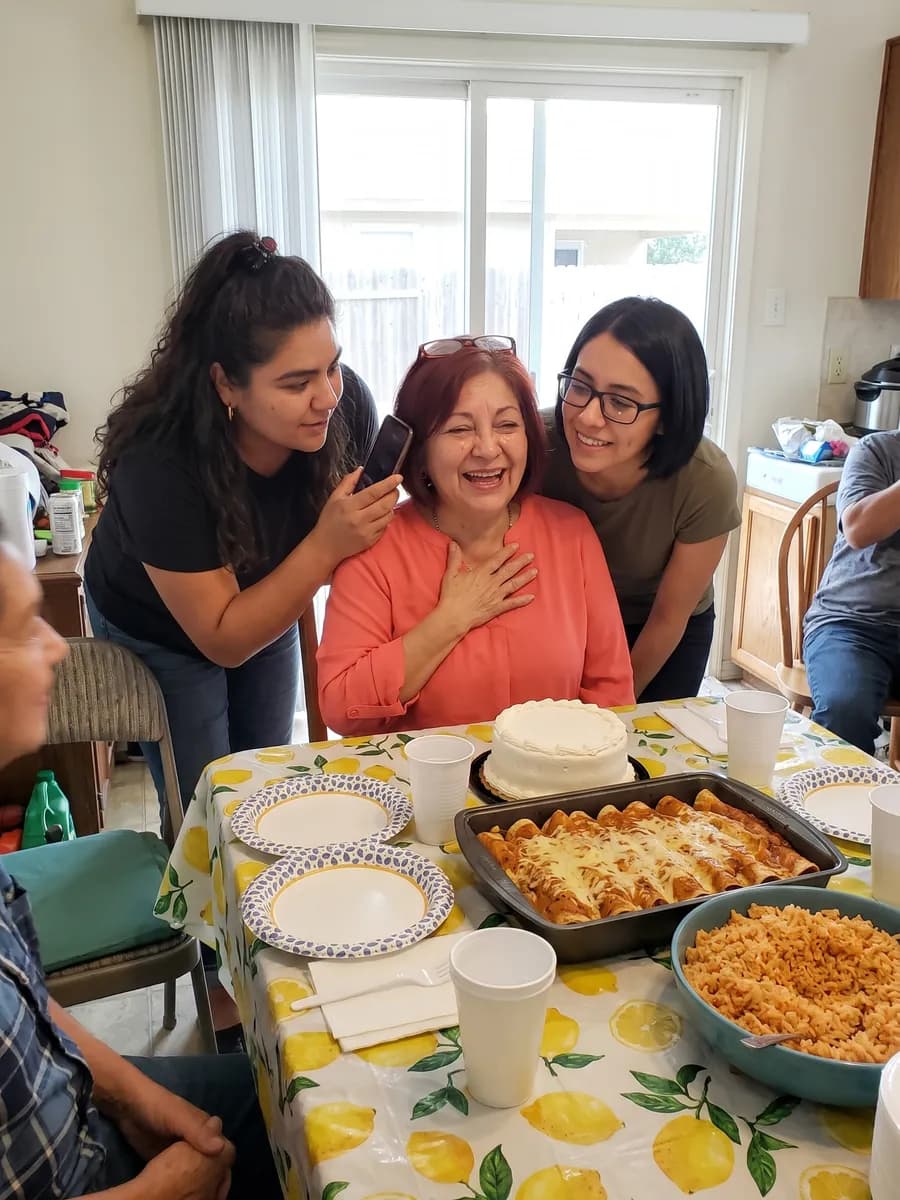
Listen to a birthday song
Five questions to ask before you pay anyone
Read the checkout and the terms with these open in another tab. If you can't find an answer, email and ask before you buy. A clear reply is a good sign on its own.
- Is this one payment or a subscription? Read the small line next to the pay button. Words like monthly, membership, credits or renews mean you're buying a plan, not a song. If it is a plan, ask how to cancel and whether you keep what you've made.
- Do changes cost extra? Ask how you request one, whether there's a limit, and whether a change to the words counts the same as a change to the style or the voice.
- Can I hear it before I pay? If the answer is no, the refund policy becomes the most important page on the site, so read it slowly.
- Is faster delivery extra? Ask what the normal delivery time is first. If it already fits your date, you don't need to pay to go faster.
- Who may use the song, and where? Playing it at a party, at a wedding or in a video on your own account is personal use. An ad, a business page or a track you plan to sell is commercial use, and that's a different license.
Say you're choosing a song for your husband's birthday. The first option costs less on the page, but a wrong nickname means paying again for the fix. The second costs more and includes the fix. The moment anything needs changing, the second one is the cheaper song.
Why hearing it before you pay changes the risk
With most gifts you can see what you're buying. A custom song doesn't exist until it's made, so paying upfront means paying for a promise. When you can listen first, the order flips: you decide after you know whether it lands, and the only thing you've spent is a few minutes on the answers.
That changes how you listen, too. Instead of hoping it's fine, you're checking it. Before you pay, listen once alone with headphones and ask:
- Is their name sung the way you say it at home?
- Are the details right, the dog's name, the town, the year you met?
- Does the genre suit them, the one they'd play in the car without being asked?
- Is there one line you'd want them to hear twice?
A refund policy still matters, but it works as a backup. Read it in plain words: how long you have, whether you need a reason, and how you ask. Hearing it first means you rarely need it.
When a bigger budget makes sense
For a birthday, an anniversary or a just-because song, spending more doesn't make the song more about them. Your details do that. A bigger budget is worth it when the job itself is bigger.
The song is for a business
If the song will sit under an ad, play on a company page or go out as a release, a personal-use license doesn't cover it. You need a commercial license, priced as a business purchase, and the terms should say so in writing before you start.
A band will play it live at the event
A recorded song handed to a DJ is one job. A wedding band learning a new song is another: they need chords or a chart, rehearsal time, and someone to answer their questions about the arrangement. Budget for the band's time as well as the song.
You want your own voice on the track
Singing it yourself means a recording session with someone who records and mixes vocals. That is its own cost, and a song service that sends you a finished track isn't the right fit for it.
Everything outside those three is a gift, and for a gift the right budget is the one that covers the song, the changes and a way to give it, with nothing left to pay later.
Pay once it's the song you wanted
When you're ready, start their song: a few questions about who they are, about three minutes, and we write their song from your answers. Our price sits on this page, and how payment works is laid out on our about page. You can also read more about custom songs from Only Happy Tears before you start.
Hear it before you pay. Unlimited revisions until it's perfect. And if it still isn't the song you wanted, there's a 100% money-back guarantee.
Frequently Asked Questions
Why do custom song prices vary so much between sellers?
Because the price usually covers different things. One price might include the song file, changes and a gift page, while another might cover only a first draft and charges for each fix. A price can also be for a plan rather than one song. Before you compare numbers, list what each price includes, then compare what the finished song you'd give comes to.
Is a cheaper custom song worse than an expensive one?
Not necessarily. For a personal gift, what makes a song land is how specific it is about the person, and that comes from the details you give. Price tells you more about what's included and how the song is licensed. A lower price that includes changes and the file to keep can be the better buy for a birthday or an anniversary.
Is it worth paying extra for faster delivery?
Only if the normal delivery time doesn't fit your date. Check the standard time first, then count backward from the day you'll give it, leaving room to listen and ask for a change. If the standard time leaves a few days to spare, a rush fee buys you nothing. If the date is tomorrow, start today before paying for speed.
Do I need a special license to play a custom song at my wedding?
For a song made as a personal gift, playing it at your own wedding or party is personal use. Check the seller's terms for the words personal use and events. If you plan to use the song in an ad, on a business page or as a release, you need a commercial license.
What should I do if I paid for a song and don't like it?
Start by asking for a change. Say exactly what feels wrong: a name, a line, the tempo, the voice. A specific request gets a better fix than a general one. If changes don't get it there, read the refund policy and ask for your money back in writing, quoting the line in the terms that covers it.
Seb, founder of Only Happy Tears
Music has carried all of us through the hard days and the happy ones. I started Only Happy Tears after writing a song for my family to tell them how grateful I am. Their first reaction was happy tears. Now I want everyone to be able to give that moment to the people they love, at a price anyone can afford and with no subscriptions.